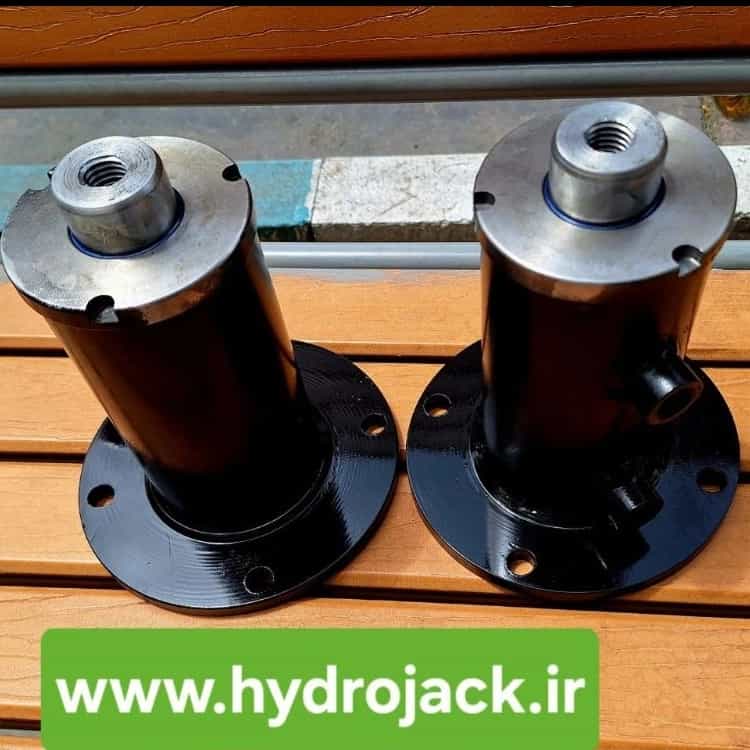
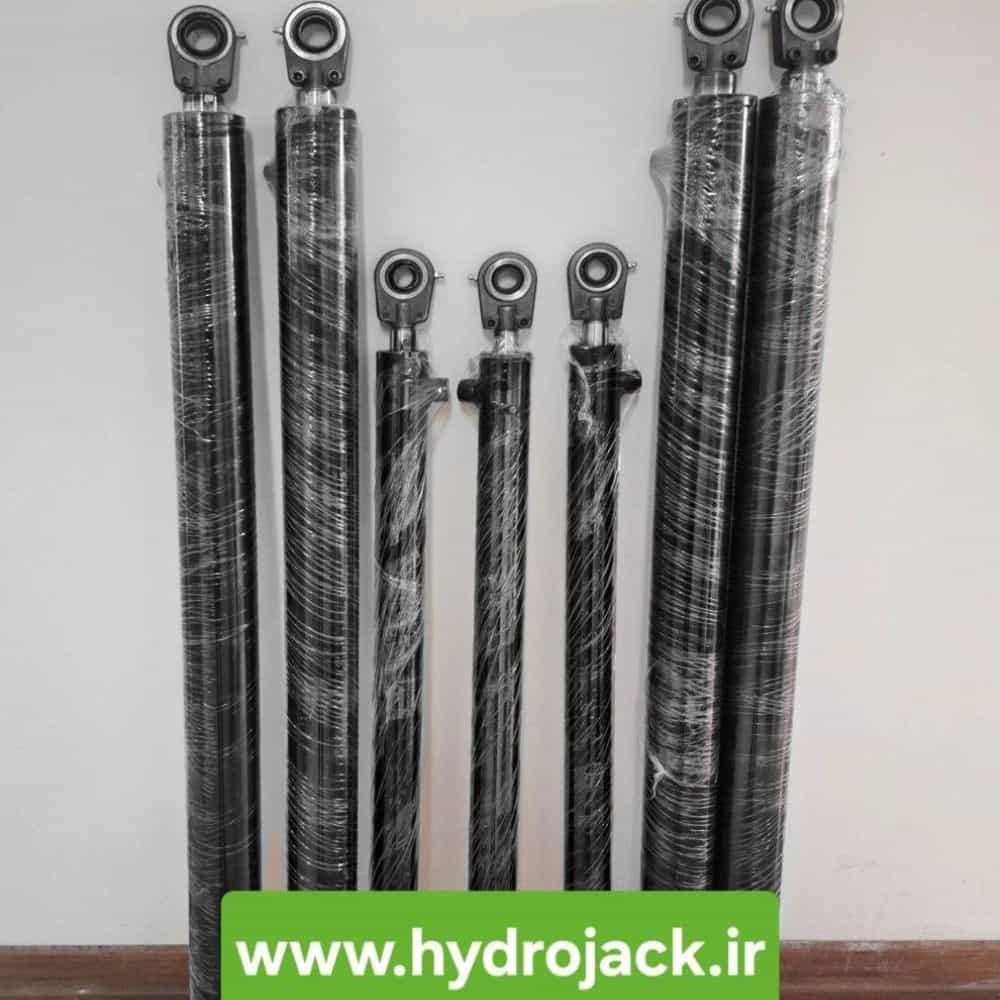
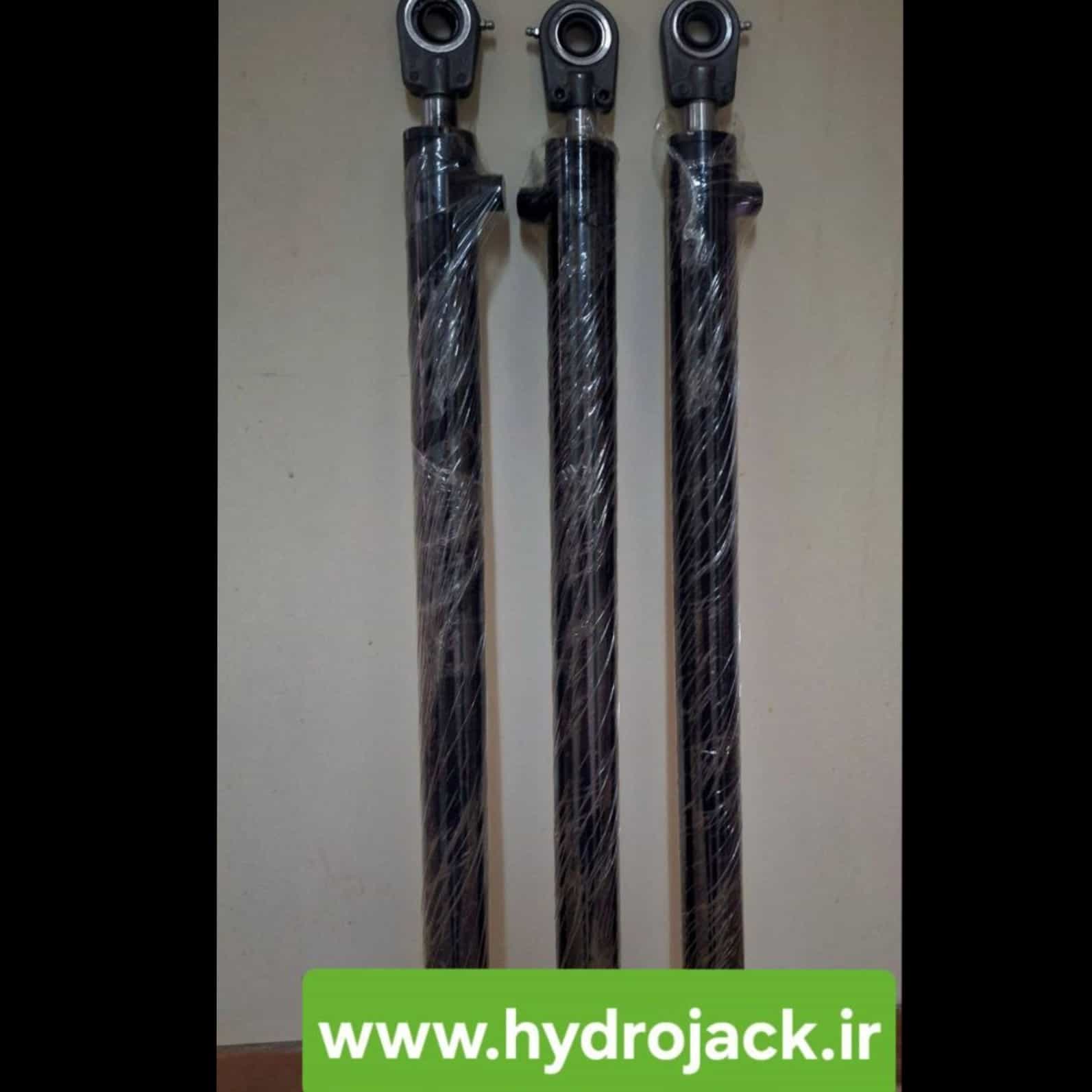
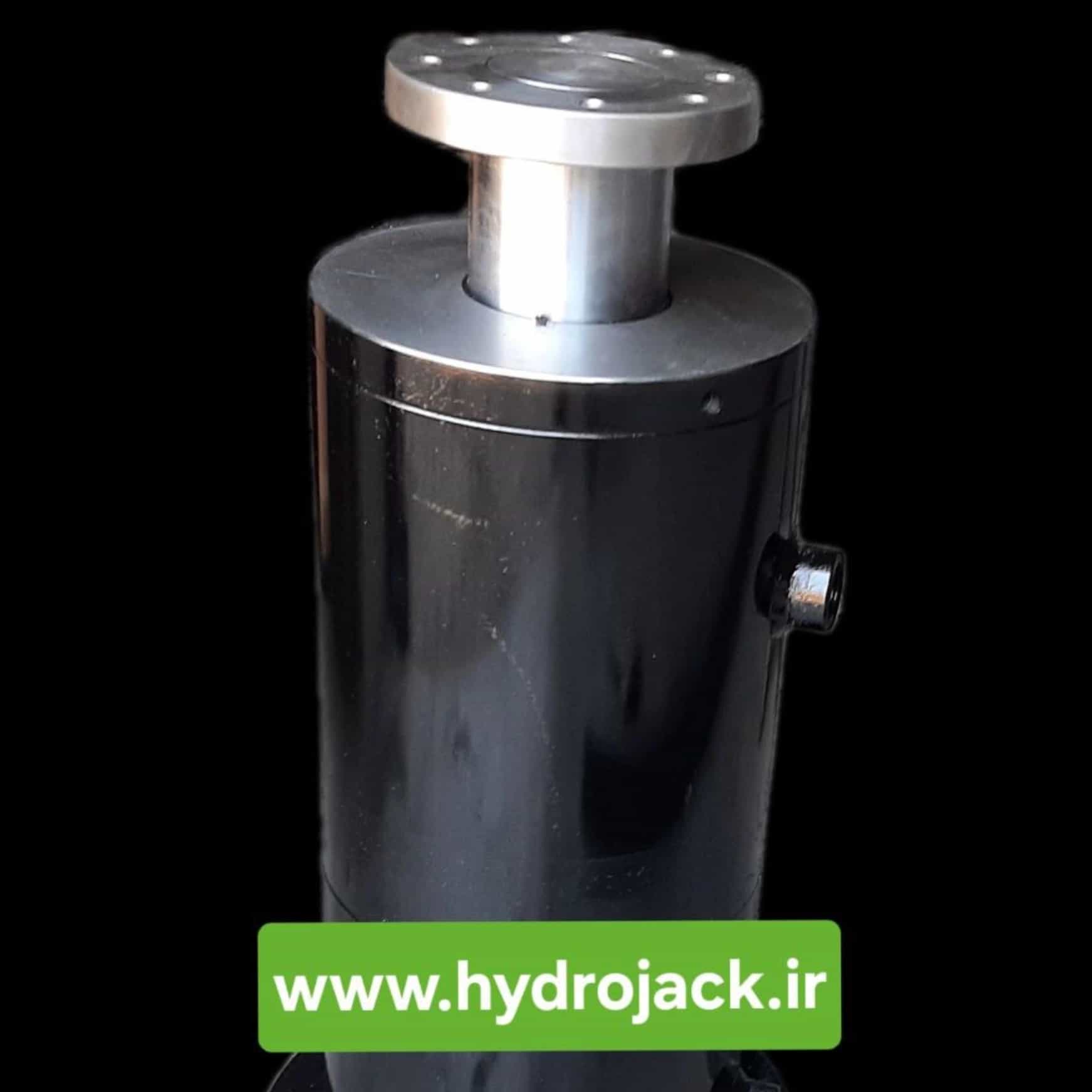
Hydraulic Jack is a mechanical device that uses oil pressure to create linear force. The device includes a cylinder and piston and moves the piston by applying pressure into the cylinder and transmitting the force to the load. Hydraulic jacks are used in various industries such as automotive, construction and marine industry. How Hydraulic Jack Functions: 1. Oil pressure: The hydraulic jack operates under Pascal's law. The law states that the pressure applied to a trapped fluid is transmitted to all parts of that liquid. 2. Cylinder and piston: The hydraulic jack has a hollow cylinder and a piston that moves into the cylinder. 3. Transfer of force: By inserting pressure into the oil into the cylinder, the pressure is transferred to the piston and the piston moves and puts a force. 4. Linear motion: The movement of the piston in the hydraulic jack is linear, meaning that the piston moves directly forward and back. Hydraulic Jack Types: One -way hydraulic jack: In this type of jack, the oil pushes only one side to the piston and moves to one side. Double -sided hydraulic jack: In this type of jack, the oil pushes the piston on both sides and the piston moves in both directions. Telescopic hydraulic jack: This type of jack has several sections that are telescopic together, allowing for a longer motor course. Applications of hydraulic jack: Lift: Hydraulic jacks are widely used for heavy lifts in various industries. Press: Hydraulic jacks can be used to squeeze different materials. Move control: In industrial machinery and equipment, hydraulic jacks are used to control the movement and position of the components. Automotive Industries: In car repair shops and production lines, hydraulic jacks are used to lift and maintain cars. Construction Industries: In construction, hydraulic jacks are used to lift beams, columns and other structural components.
Shanderman Pars lift, production and sale of lift and hydraulic jack in Tehran
نظرات و تجربیات شما
دیدگاه شما چیست؟
با ثبت امتیاز خود، به ما در تولید محتوای بهتر کمک کنید.